Field superheat checklist
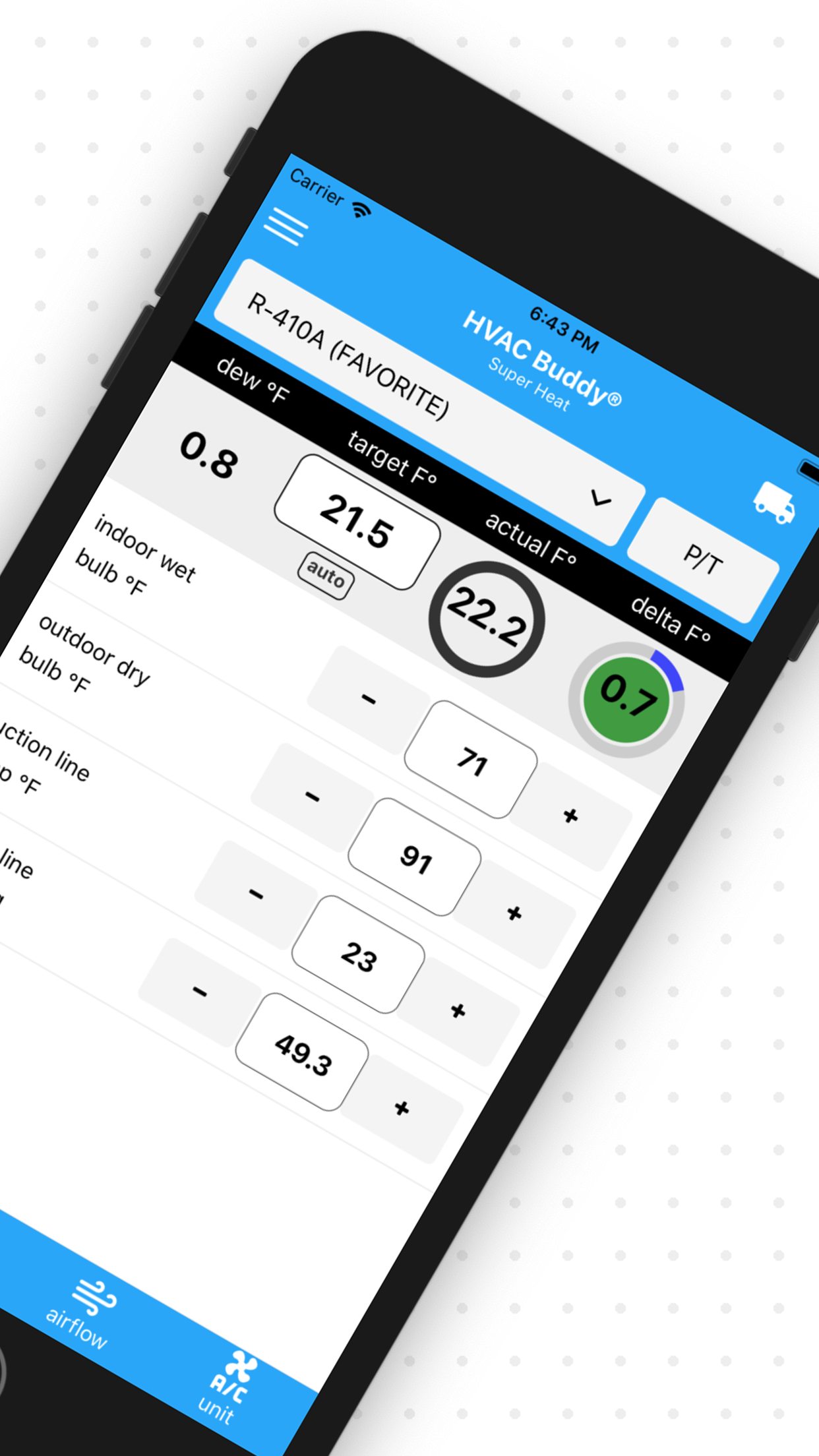
Superheat is the difference between the suction line temperature and the saturated vapor temperature at your measured suction pressure. It is one of the fastest checks that a technician can use to see if the evaporator is finishing the boil before vapor returns to the compressor.
Before you open the manifold
- Confirm stable indoor load, clean filter, and reasonable return air temperature.
- Identify metering style for the coil you are working on, fixed bore versus TXV changes how you interpret numbers.
- Place line temperature sensors on a bare section of suction tubing, not on a vibration isolator or thick paint.
- Write down outdoor ambient, liquid line sight glass behavior if present, and any history of prior charge work.
Readings that should line up
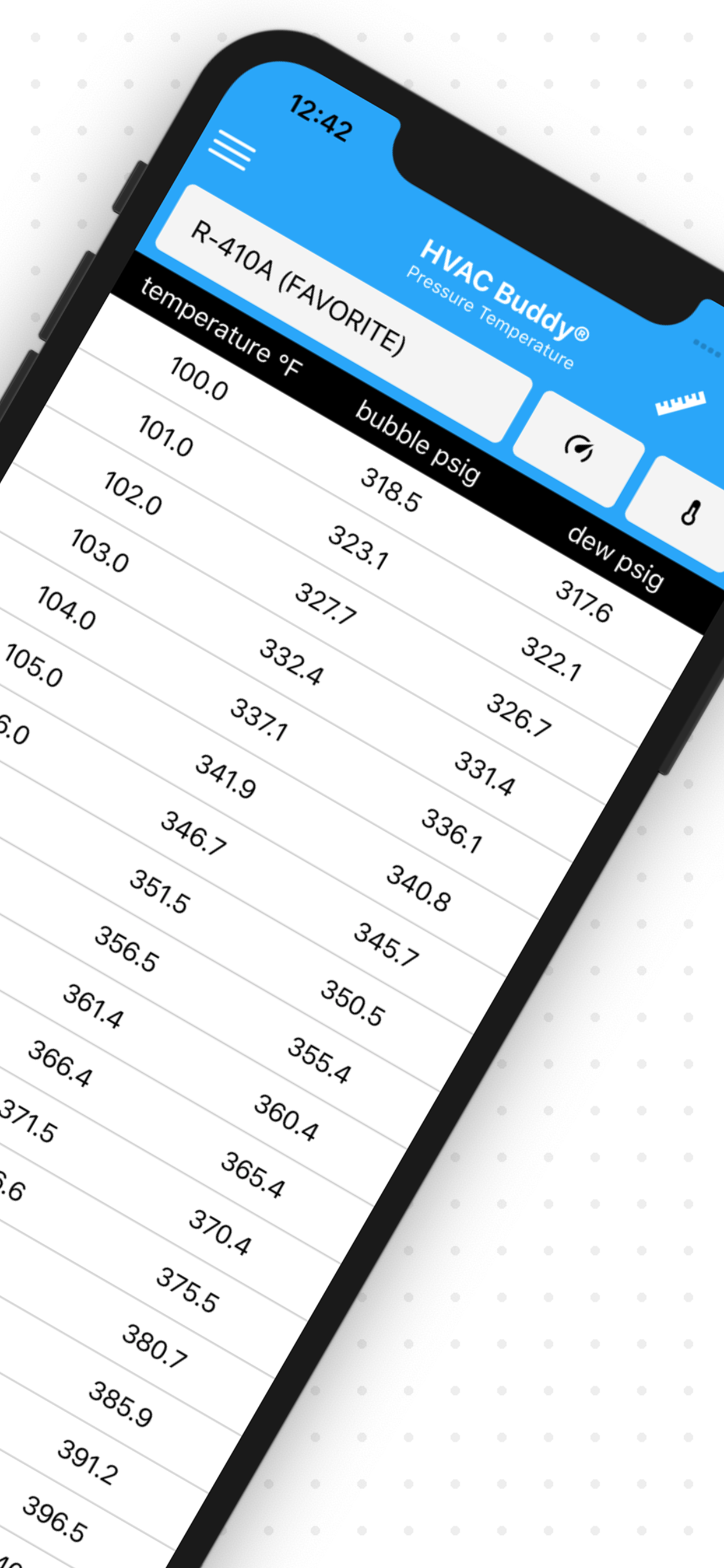
Match suction pressure to the correct refrigerant column, then compare your line temperature to the saturation value the app shows. If superheat is very low while frost creeps toward the compressor, stop and look for floodback risk before adding more refrigerant.
If superheat is very high with warm supply air and weak vent temperatures, look at airflow and coil loading first. Raising charge to chase a high superheat without fixing airflow can hide the real fault and drive head pressure up later in the day.
How HVAC Buddy helps
Open the HVAC Buddy home hub for the same PT and charging workflows referenced on the main site. Use the superheat calculator page when you want a focused walkthrough of target versus actual, then cross-check the wider workflow on HVAC Diagnostics before you call the job complete.
For TXV systems, pair superheat review with subcooling calculations on the liquid side. For charging procedures tied to manufacturer tables, keep the Charging and Diagnostic app page handy, and use Pressure Temperature charts whenever you change refrigerant family mid-diagnosis.
Ambient shifts you should log
When the sun heats the condenser coil, head pressure rises and the expansion device sees a different pressure drop. Note the time of day on your ticket so the next technician knows whether superheat was taken during light load morning conditions or peak afternoon operation.
Short field script
Stabilize the system, log indoor wet bulb and dry bulb if you have the sensors, pull suction pressure and line temperature, compute superheat, compare to your target for the metering type, then adjust charge in small steps while watching head pressure and compressor amp draw together.